


Canning Equipment for Beginners
I water bath can about 200 jars of items each summer: a few batches of my canning salsa, my candied jalapeños, dill pickles, low-sugar peach jam, and more.
Here’s everything I use, what it costs, and what I’d buy first if you’re wanting to get into water bath canning.
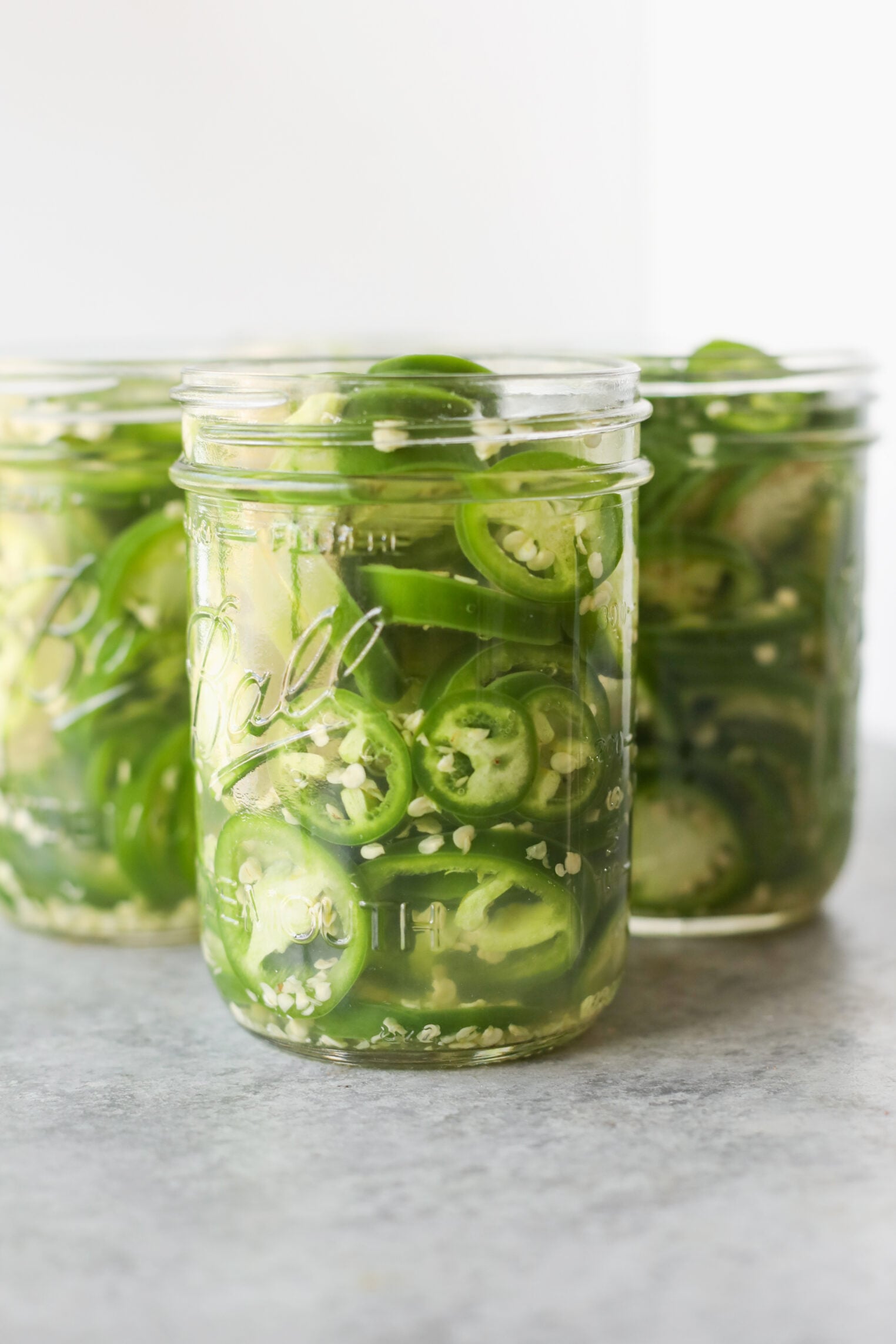
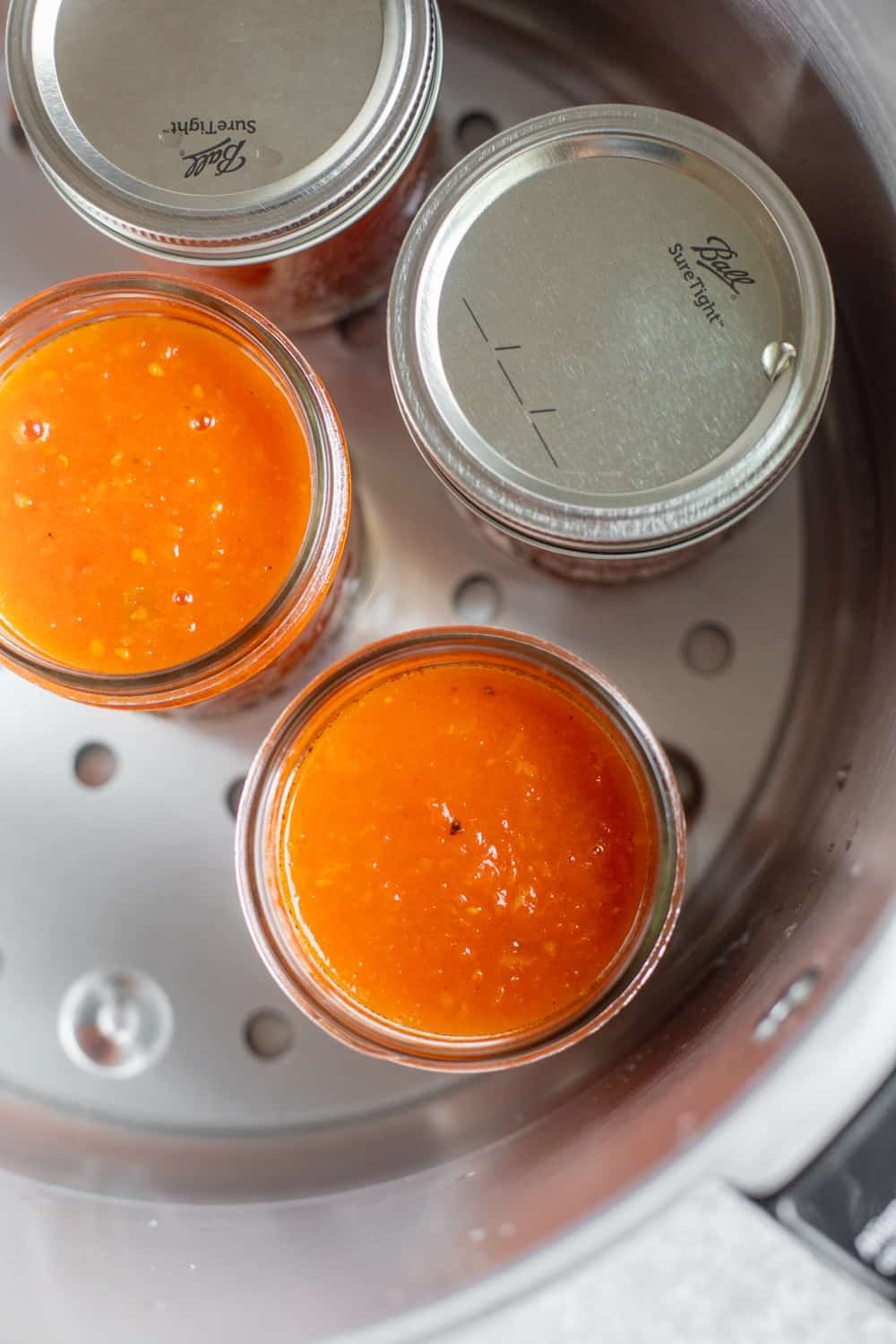
Equipment
You don’t need a large setup to get started with water bath canning; really, you just need a pot and some jars.
However, if you want to be more efficient at canning and have a smarter setup, here’s what you’ll need:
- A deep pot with a rack in the bottom; this prevents the jars from touching the bottom and lets water circulate around them.
- Canning jars with new lids and rings. You must have new lids each time for safe canning.
- A jar lifter; this is a must, as it makes it so much easier to lift the jars out of the hot water.
- A wide-mouth funnel; this isn’t essential, but it makes filling the jars easier.
- Something to remove the air bubbles; a chopstick works, or a bubble remover
- A clean kitchen towel; to place the hot jars on
This canning kit contains a deep pot, a jar lifter, a wide-mouth funnel, and a bubble remover.
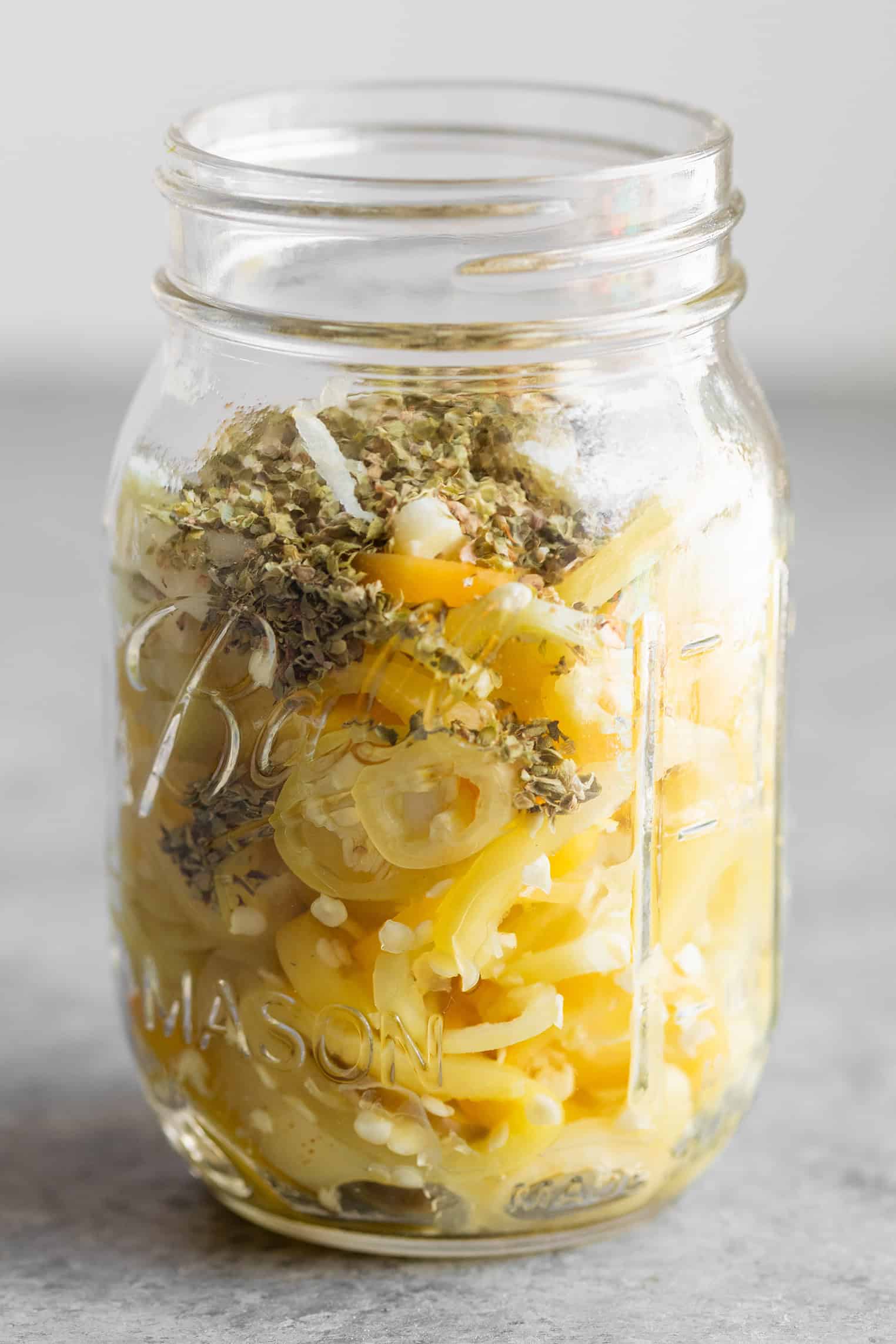
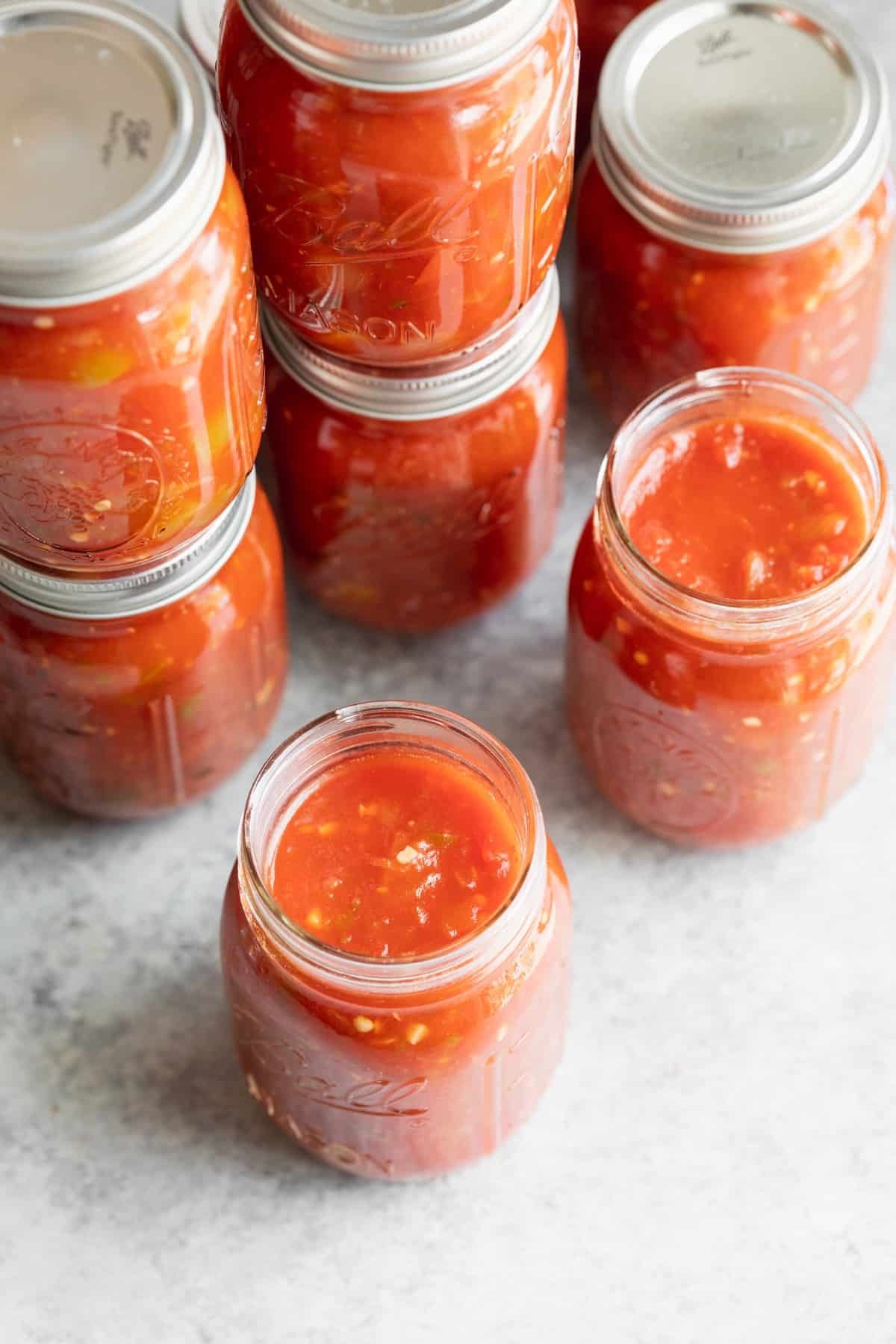
The canner
A water bath canner is just a tall pot with a rack that helps to keep the jars off the bottom. The rack matters because glass jars that sit right on the hot pan can crack. You need a tall pot so the water can cover the jars by at least an inch.
If you have a stockpot that’s deep enough, then you can start canning right away! If you don’t have a rack, then you can set a round cooling rack or even a folded kitchen towel in the bottom for half-pints and pints.
If you plan on canning often, then you’ll want to get a deep pot eventually.
What I use: 21 qt Stainless Steel Water Bath Canner ($64)
I’ve used this for over a decade and it’s deep enough to fit 7 quarts, 9 pints, or 12 half-pints
What about a pressure canner?
You don’t need a pressure canner for most of the recipes on this website. Almost everything I can is high-acid, like my salsas, pickles, jams, tomatoes, and applesauce, which means a boiling water bath is good enough.
A pressure canner is a must for low-acid foods like plain green beans, corn, and soups. I do use a pressure canner for canning whole tomatoes.
Lids and Rings
I’ve taught canning classes for years, and I’m always surprised by how few people know that you must buy new lids every time that you want to can.
A canning jar is technically three separate things: the jar, the flat lid with the sealing compound around its edge, and the ring (or the band) that holds the lid on during processing.
- Jars are reusable: As long as your jars are in good shape, you can use them over and over again. You must use canning jars, not pasta sauce jars, pickle jars, ect as commercial jars aren’t tempered for repeated heat cycling and their rims aren’t made to match canning lids.
- Lids can only be used once: The sealing compound around the lid compresses only once and doesn’t spring back. You must use new lids whenever you can.
- Rings are reusable: You can use rings over and over again until they rust or warp. You only need them during processing, but not for storage.
What size jars to buy
| Size jar | What it’s used for |
|---|---|
| Half-pint (8 ounces) | Jams, jelly, or anything that you’ll open and use small amounts of. My low-sugar strawberry jelly, hot pepper jelly, and apple butter go in half-pints. |
| Pint (16 ounces) | This is the jar that I use most often for salsa, bread and butter pickles, applesauce, ect. |
| Quart (32 ounces) | I use quarts the least, but they are great for whole tomatoes and canning tomato sauce. |
Regular mouth or wide mouth?
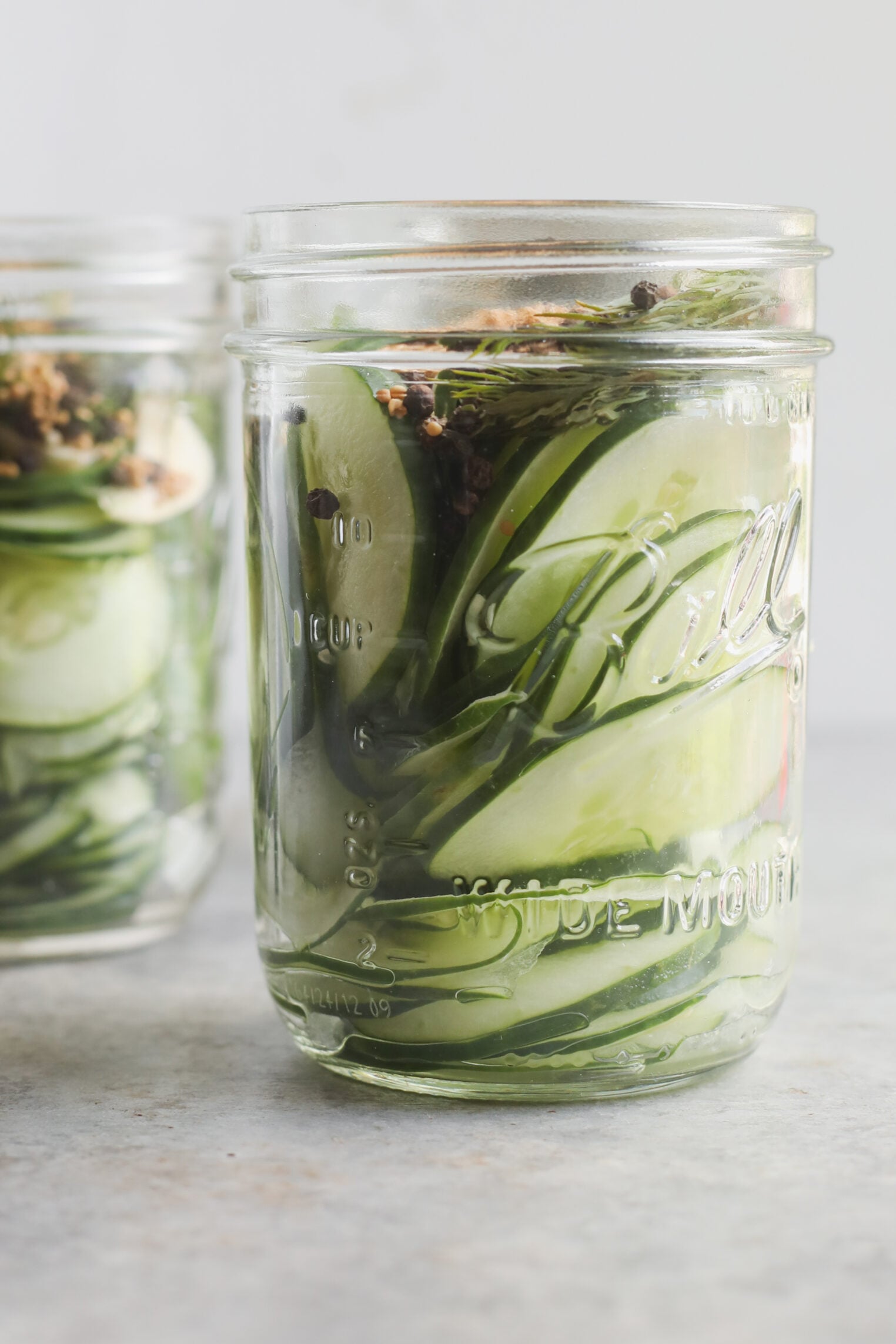
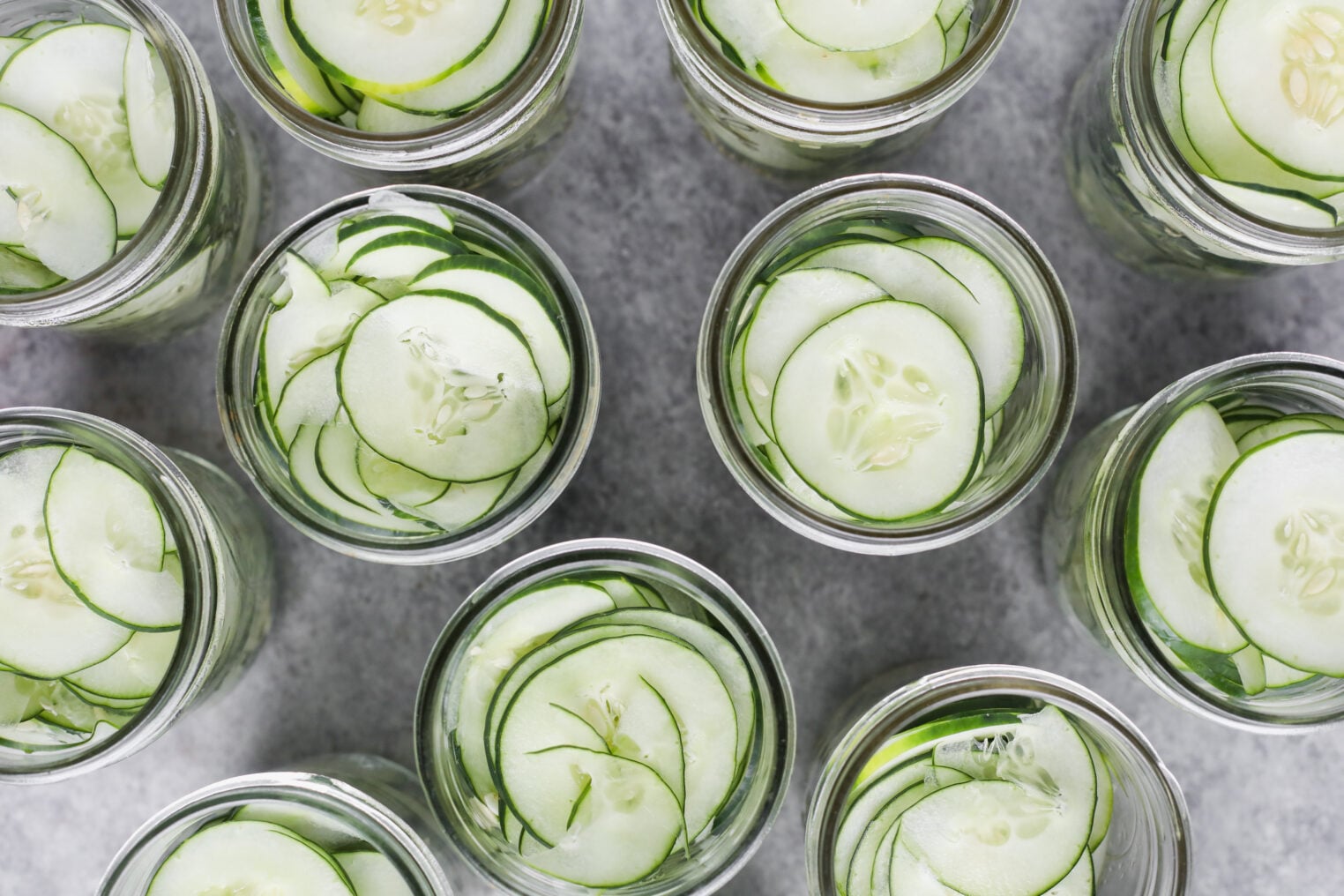
I use wide mouth jars for anything chunky, like my refrigerator pickles, whole tomatoes, and peaches, because you want to fit things through the opening. Regular mouth jars are fine for jam, sauce, and salsa, but you can also use wide mouth jars for this.
The lids aren’t interchangeable, so if you buy both, you’ll need to buy both kinds of lids. For that reason, I use everything wide-mouth.
Additional Tools to Consider
A jar lifter
These are essentially just rubber-coated tongs shaped to grip a mason jar around the neck, and they only cost $7. Regular kitchen tongs can easily drop a hot, wet, full jar, and it’s the one piece of equipment I recommend buying.
A wide-mouth funnel
This is also helpful, as it helps to keep food off the rim of the jar. A smear of jam on the rim is one of the most common reasons that a jar doesn’t seal, so this one earns its place and costs less than $10.
Something to remove air bubbles
You’ll want to run something around the inside of the filled jar so that any trapped air escapes. You can buy a plastic bubble remover with the headspace ruler on the other end, which is such a great tool when you’re learning about headspace depth. You can also use a chopstick!
A cooling rack or towel
You’ll want to make sure to place the hot jars on a cooling rack or towel after you take them out of the canner. This is because the jars will be hot and a counter is often cold, so having something to absorb the heat prevents the jars from cracking.
What You Can Skip
Many canning sets include things that aren’t necessary. Here’s what I think you can omit:
- Magnetic Lid Wand: This is used to help lift lids out of hot water, which isn’t necessary, as lids don’t need to be heated before use. You can just wash them in hot water before use.
- A dedicated jar rack for the dishwasher: You can just wash them normally.
- A jar wrench: If you’re tightening rings hard enough to need one, then you’re tightening them too hard.
For the Canning Pantry
- Pickling Salt: This is plain salt with no iodine and no anti-caking agents, both of which cloud brine when making pickles. You can also use kosher salt, as long as it doesn’t have any additives.
- Bottled lemon juice: You cannot use fresh lemon juice when you can, as bottled lemon juice is standardized to a known acidity, while fresh lemons can vary by variety, ripeness, and how long they sat in your fridge.
- Citric Acid: Does the same thing as bottled lemon juice without adding a lemon note. This is what I use when I can use tomatoes.
- Low- or no-sugar pectin: Regular pectin needs a lot of sugar to set, so if you want to make low-sugar jam (I have options for blackberry jam, strawberry jam, and peach jam), you need pectin made for low-sugar canning.
- Pickle Crisp: This is optional, but it’s often the difference between a good pickle and a great one. It’s calcium chloride, safety-neutral, and keeps my dill pickles incredibly crunchy.
- 5% Acidity Vinegar: You’ll need to check the label; standard distilled white and cider vinegar contain 5% acidity, but many specialty vinegars are bottled at 4% or lower, which won’t be enough for a safe brine.
Tips for Better Canning
- Buy more lids than you think: I buy them in bulk so I always have enough
- Store jars with the rings off: I know it’s odd, but a ring that’s left on a can can hold a failed lid in place and hide a broken seal. I store my jars with the ring off so you can easily see any problems, and so your rings won’t rust to the jar and can be reused.
- Label everything: Don’t trust yourself to remember, especially if you are canning several things!
- Don’t double a canning recipe: Tested canning recipes are tested at the volume they’re written for, so doubling changes how the batch heats and how a jam sets. Instead, make two batches.
What to make first
If you’ve never processed a jar before, start with my complete guide to water bath canning.
- Refrigerator pickles: This is a great “rehearsal” recipe because you don’t have to can these after you make them, but it’s a good way to learn how to brine and package jars.
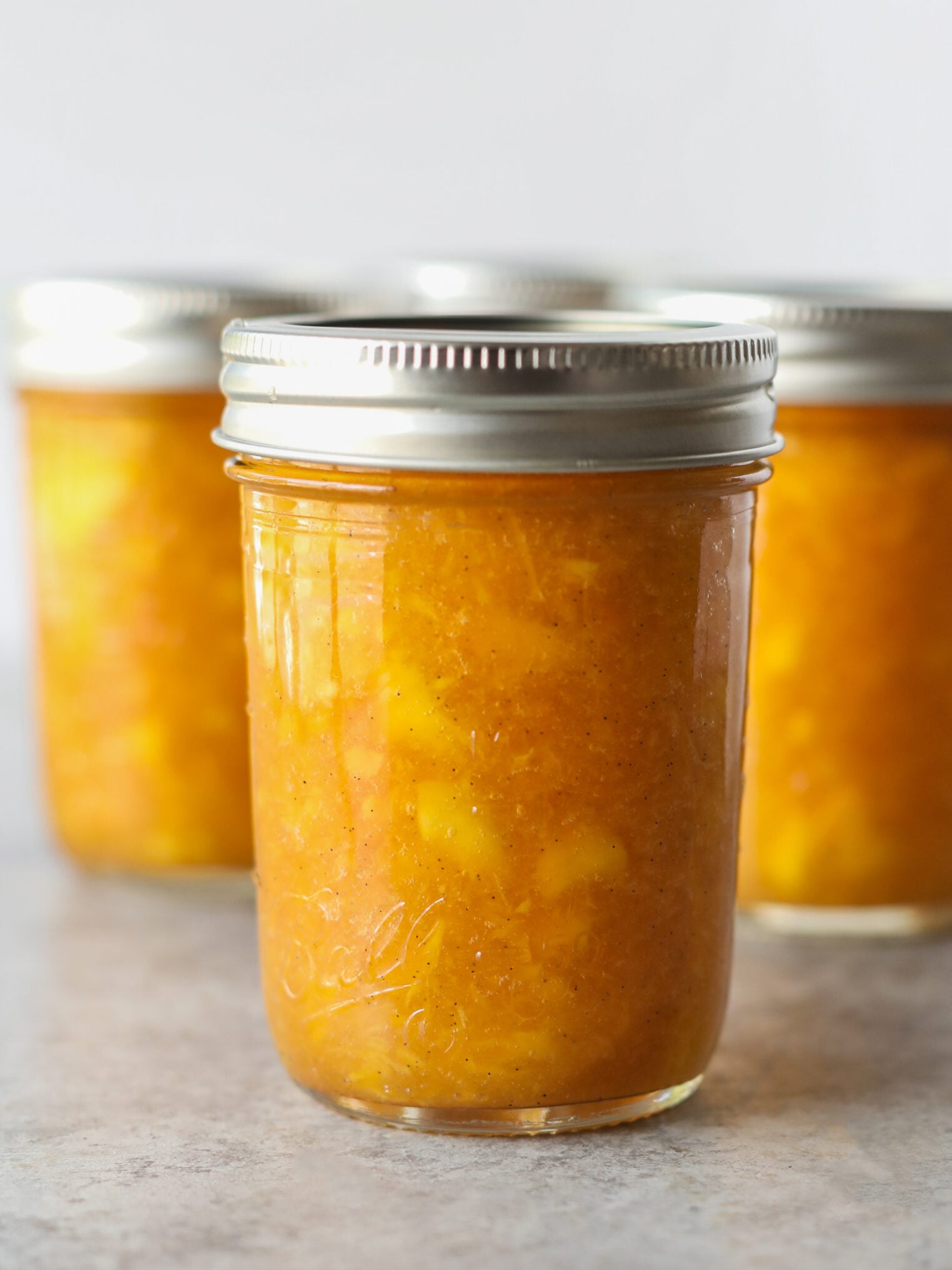
- Low-sugar strawberry jam: This one is really forgiving and such a fantastic recipe! I make jars and jars in the summer for gifting.
- Salsa for canning: This is my most-made recipe! The hundreds and hundreds of five-star reviews speak for themselves.
- Dill pickles: Just like with my canning salsa, once you’re comfortable with water bath canning, then this is the pickle batch you’ll make every summer.
Questions about canning equipment
Can I reuse canning lids?
No, because the sealing compound compresses once. Rings and jars are reusable, but lids aren’t, and a reused lid can appear to seal and fail later in the pantry.
Do I need a special pot, or will my stockpot work?
Your stockpot will work if it’s deep enough to cover your jars by an inch of water with room to boil, and if you put something in the bottom so the jars aren’t sitting on the hot pan.
Do I have to sterilize the jars first?
If your recipe processes for 10 minutes or longer, washing in hot, soapy water is enough, as the processing time handles it. For anything shorter, you need to sterilize the jars first.
How many jars do I need?
Each of my recipes lists a yield, but a dozen jars is a good idea
Can I use any jar with a lid that fits?
No, you can only use jars made for canning. Commercial food jars aren’t made for repeated heat cycling and their rims don’t reliably match canning lids.